



It is possible!
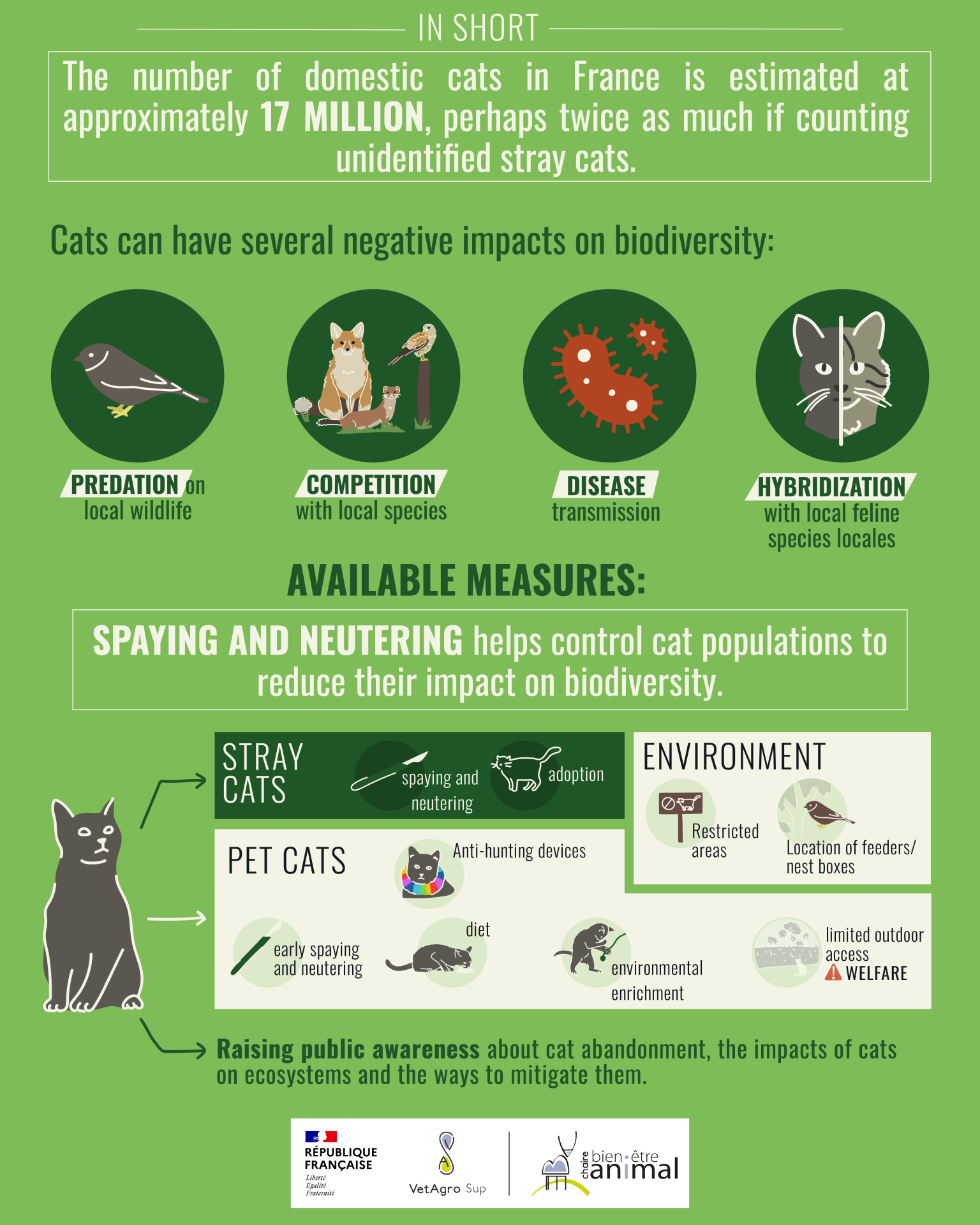
Cats have a significant impact on biodiversity, whether through predation or other mechanisms, such as competition with local wildlife or the transmission of diseases. Strategies exist to limit these impacts—spaying and neutering, anti-hunting devices, environmental enrichment, and more—but they require striking a balance between cat welfare, health, and safety on the one hand, and biodiversity protection on the other.
Keep in mind
- Among domestic cats, we distinguish between pet cats, “free-roaming” cats, stray cats, and feral cats.
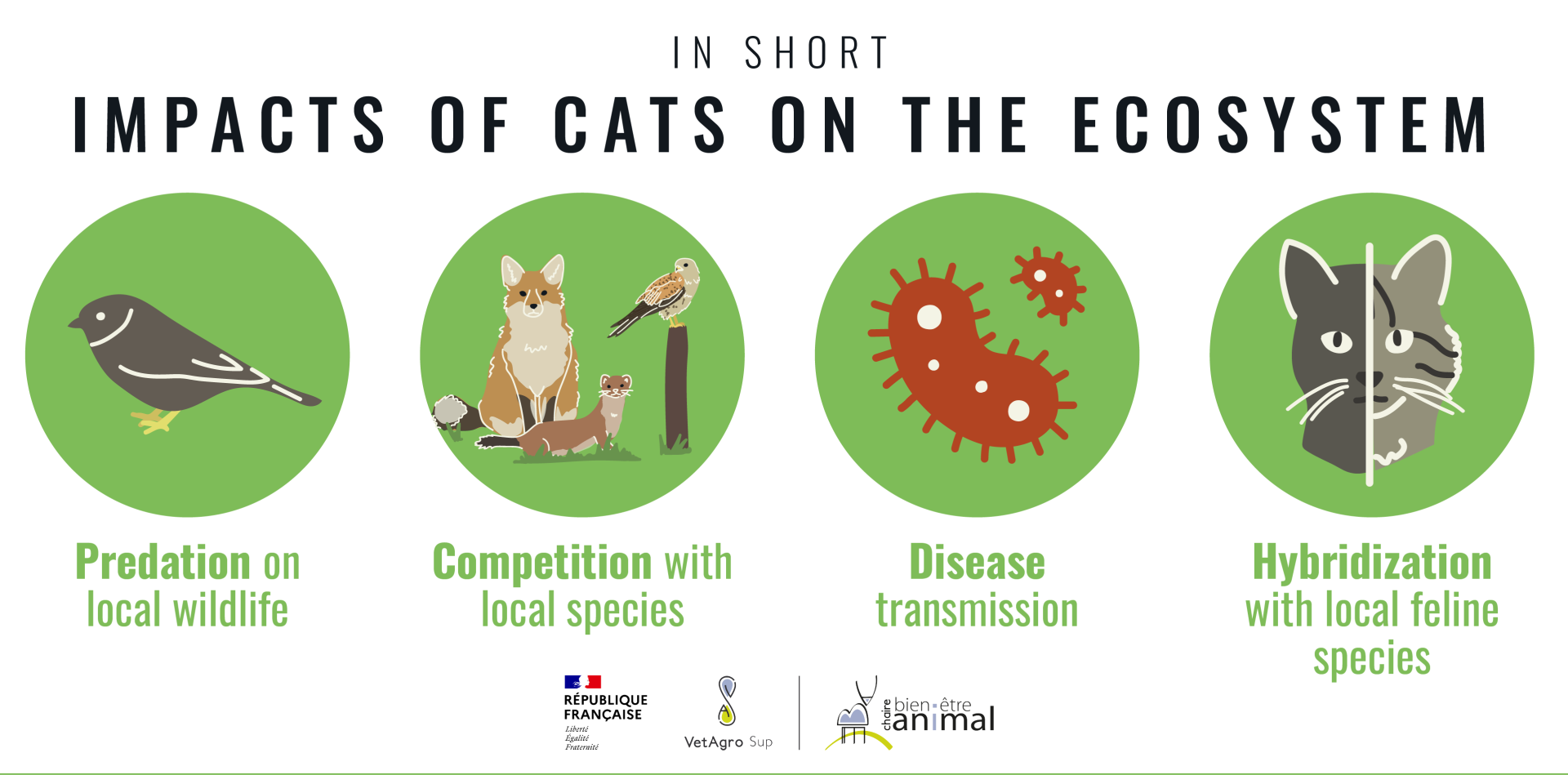
- Domestic cats have several negative impacts on biodiversity through predation, disease transmission, competition with other local predators, and hybridization with other felines.
-
There are various strategies to limit the impact of cats on biodiversity. Spaying and neutering offers benefits for both feral and pet cat populations.
Pet cats, free-roaming cats, stray cats, feral cats…
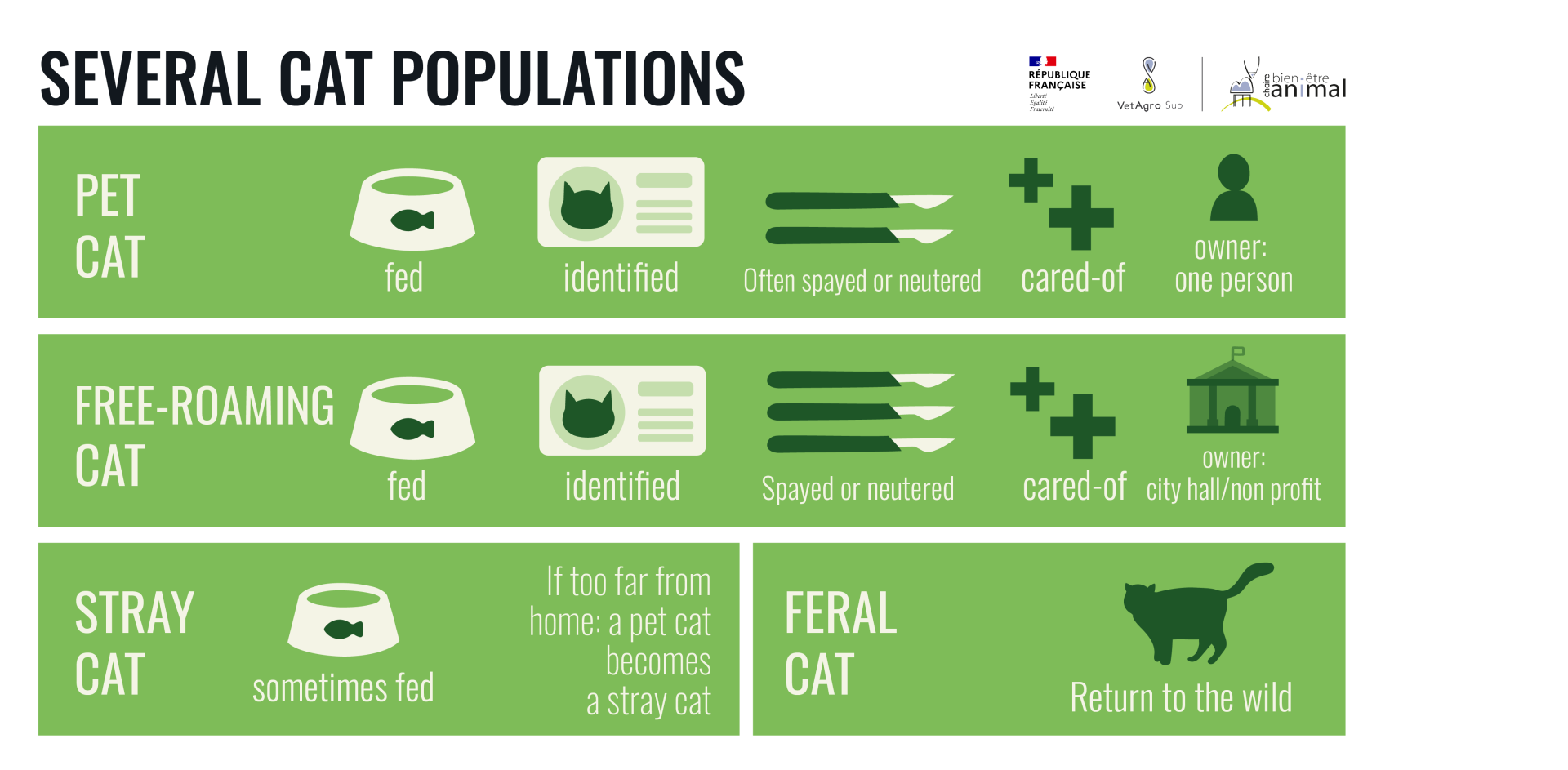
There are several populations of domestic cats:
- The pet cat is fed, identified, usually spayed or neutered, cared for, and under the responsibility of a person.
- In France, a “chat libre”, or free-roaming cat[3] is fed, identified, spayed or neutered, and cared for. It is under the responsibility of the mayor or, by delegation, an animal protection organization. After receiving medical care or being spayed or neutered, it is returned to the location where it was captured and enjoys the same protection as a pet cat, particularly against abuse.
- Stray cats are fed, more or less regularly, by humans. Stray cats population in France was estimated at 11 million in 2017[4]. An unidentified cat found more than 200 meters from residential areas is considered a stray cat, even if it lives with a human. The same applies to a pet cat found more than 1 kilometer from its owner’s home without the owner present.
- A feral cat is a domestic cat that has returned to the wild. It lives and breeds freely in the wild, without direct human intervention.
Today, cats are some of the most widespread pets in the world: found on every continent except Antarctica and introduced to hundreds of islands, cats rank among the most widely distributed species on the planet.
Domesticated more than 9,000 years ago, cats were introduced by humans into ecosystems where they did not occur naturally, either accidentally or to control rodent populations. This has profoundly disrupted the balance of certain ecosystems and impacted biodiversity. However, cats cannot be held primarily responsible for the global decline in biodiversity. In fact, as early as 2019[5], IPBES identified five major direct factors linked to the decline in global biodiversity, all of which are consequences of human activities: changes in land and ocean use, resource extraction, climate change, pollution, and invasive alien species.
Let’s first take stock of the impacts of cats on biodiversity and ecosystems, and then discuss measures to mitigate or prevent these negative impacts, thereby (re)conciliating cats with biodiversity conservation.
What are the impacts on ecosystems?
Disease Transmission
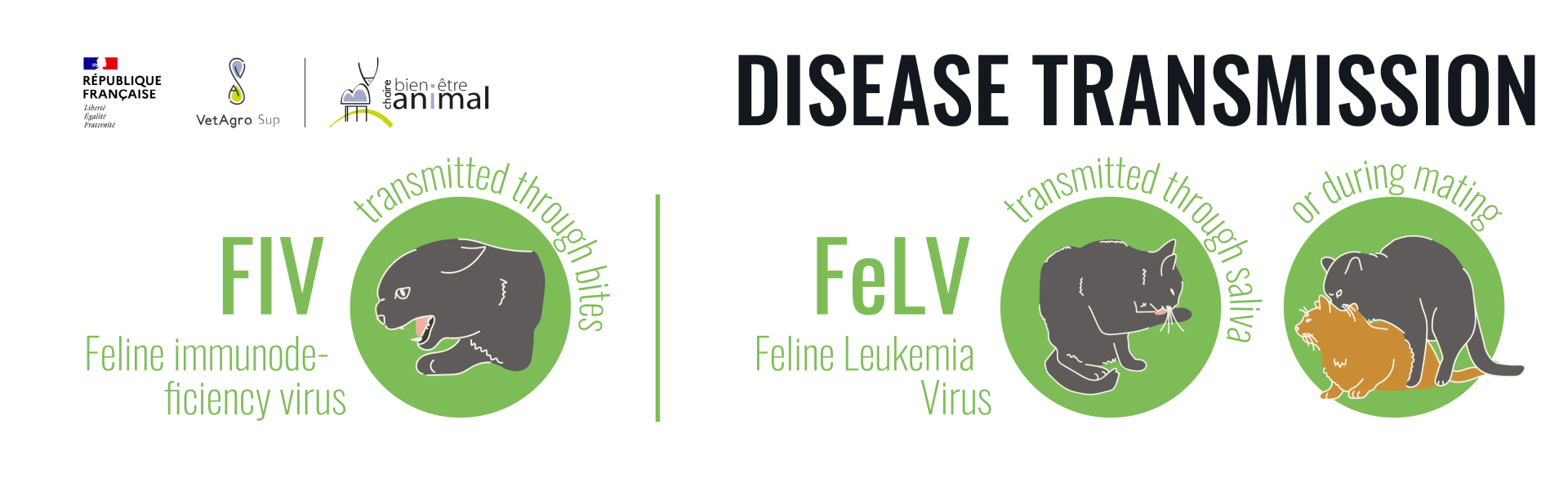
Cats carry a wide range of diseases, some of which can be transmitted to other wild species. Among these diseases are FIV and FeLV, for which a vaccine is available. Neither of these diseases is transmissible to humans, but they can be transmitted to other felines.
FIV (feline immunodeficiency virus) is the feline equivalent of human HIV: it causes progressive and fatal immunosuppression. It is transmitted primarily through bites and affects felines worldwide.
FeLV (feline leukemia virus) is transmitted through saliva or during mating and also causes immunosuppression. It can be transmitted to wild cats: an infection originating from a single domestic cat is believed to have caused the deaths of five Florida panthers, a subspecies with a population of only about 200 individuals[6].
Hybridization with local feline species
The domestic cat is descended from the wildcat, and hybridization between the two species is common and well-documented in many wild populations around the world. One example is the population of European wildcats (Felis silvestris silvestris) in Scotland.
Its hybridization with the domestic cat is now one of the main threats to its survival. The small number of remaining wildcats, all of which are to some extent hybridized, means that the population is no longer considered viable[9].


Did you know?
When a wild population hybridizes extensively with a domestic species, it gradually loses its unique genetic characteristics. The genes typical of the wild species become diluted with each generation by those of the domestic species, until they disappear. The original population is then considered genetically extinct, but the hybrid individuals may form a new species.
In addition to the Forest Cat, artificial hybridizations have also been produced between domestic cats and other felines, such as the Bengal Leopard Cat, the Geoffroy’s Cat, and the Serval. These crossbreeds pose conservation challenges, particularly on certain Japanese islands, where endemic populations such as the Tsushima cat and the Iriomote cat are threatened by genetic introgression. The central challenge is the ability to distinguish native species from hybrids, a prerequisite for implementing an effective conservation strategy.
Competition with Local Predators
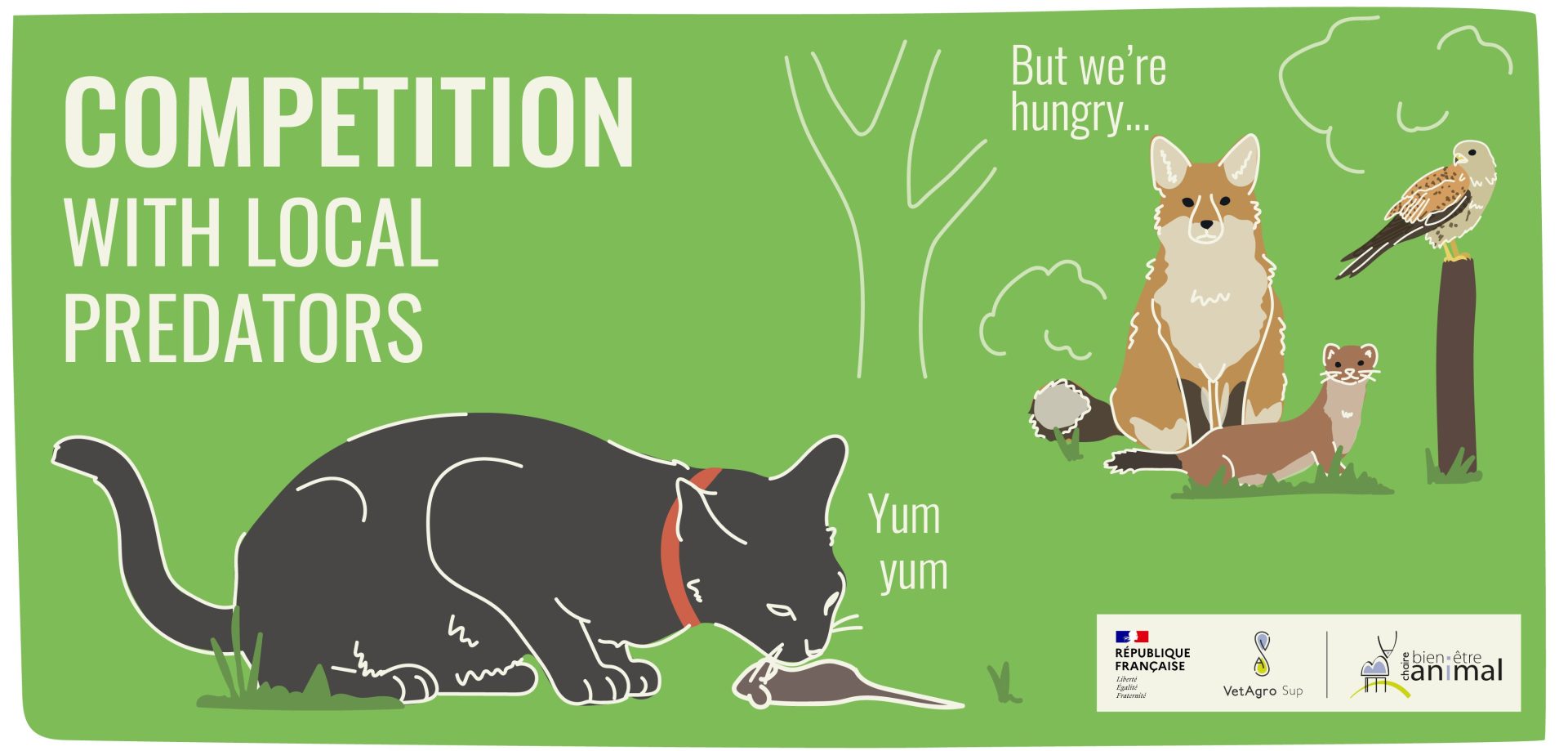
Animals introduced into an environment compete with native species for food and habitat when they exploit the same limited resources. In the case of cats, every prey item consumed is one less for local predators such as birds of prey, foxes, or mustelids (European otter, stone marten, ermine, etc.) in Europe. A study[10] conducted in the United Kingdom showed that the more cats there were in an area, the fewer wood mice were found there—a species on which many local predators feed.
Predation on local wildlife
Predation is considered the most significant negative impact of cats on wildlife, whether by pet cats in urban and suburban areas or by feral and stray cats in natural environments. Since cats are generalist predators, their diet consists of many species of birds, mammals, reptiles, and so on.
Cat predation can reduce the population sizes of local species, alter the species composition of a habitat, and negatively affect their reproductive success.
In the United States, a study estimated that free-roaming cats (pet cats and feral cats) kill between 1.3 and 4 billion birds and between 6.3 and 22.3 billion mammals each year. Free-roaming cats are believed to be the leading cause of human-related mortality for birds and mammals in the United States[11].
Globally, another study[12] identified 2,084 species consumed by cats, of which nearly 350 were species of conservation concern. Approximately 9% of all known bird species, 6% of mammal species, and 4% of reptile species are part of cats’ diets.
A Specific Challenge for Islands[13]
Cats are one of the most widespread invasive predators on islands: they can survive without access to fresh water, reproduce rapidly, adapt easily to new environments, and exhibit generalist predatory behaviors. They therefore have a significant negative impact on local wildlife, which generally has a high rate of endemism due to the geographical isolation of islands.
While the eradication of cat populations on islands is often considered the best solution for protecting biodiversity, it can prove counterproductive in certain ecosystems. Indeed, when introduced rodents are also present, the removal of cats can lead to an explosion in rodent populations, which also cause significant harm to local wildlife[14].
Worldwide, it is estimated that cats alone are responsible for the extinction of 63 species (40 bird species, 21 mammal species, and 2 reptile species), representing 26% of all extinctions attributable to introduced mammalian predators[15].

What do cats hunt in France?[16], [17]
In France, the main prey consumed by cats includes:
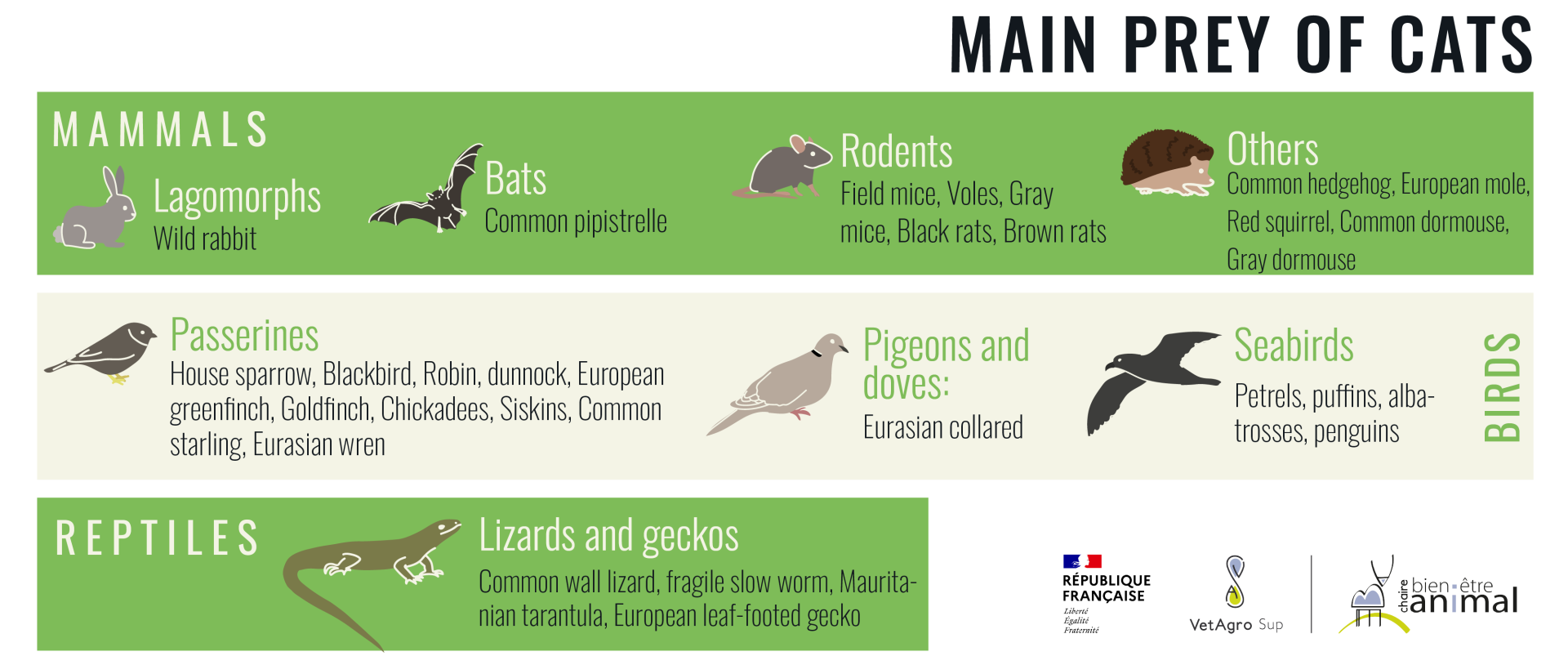
A participatory survey[18] conducted by the National Museum of Natural History and the French Society for the Study and Protection of Mammals between 2015 and 2022 examined the prey brought back by pet cats to their owners. In total, more than 5,000 cats brought back nearly 36,500 prey items in mainland France.
Several studies have estimated the predation rate of pet cats at between 2 and 36 prey items per year, compared to 177 to 300 prey items per year for stray cats.
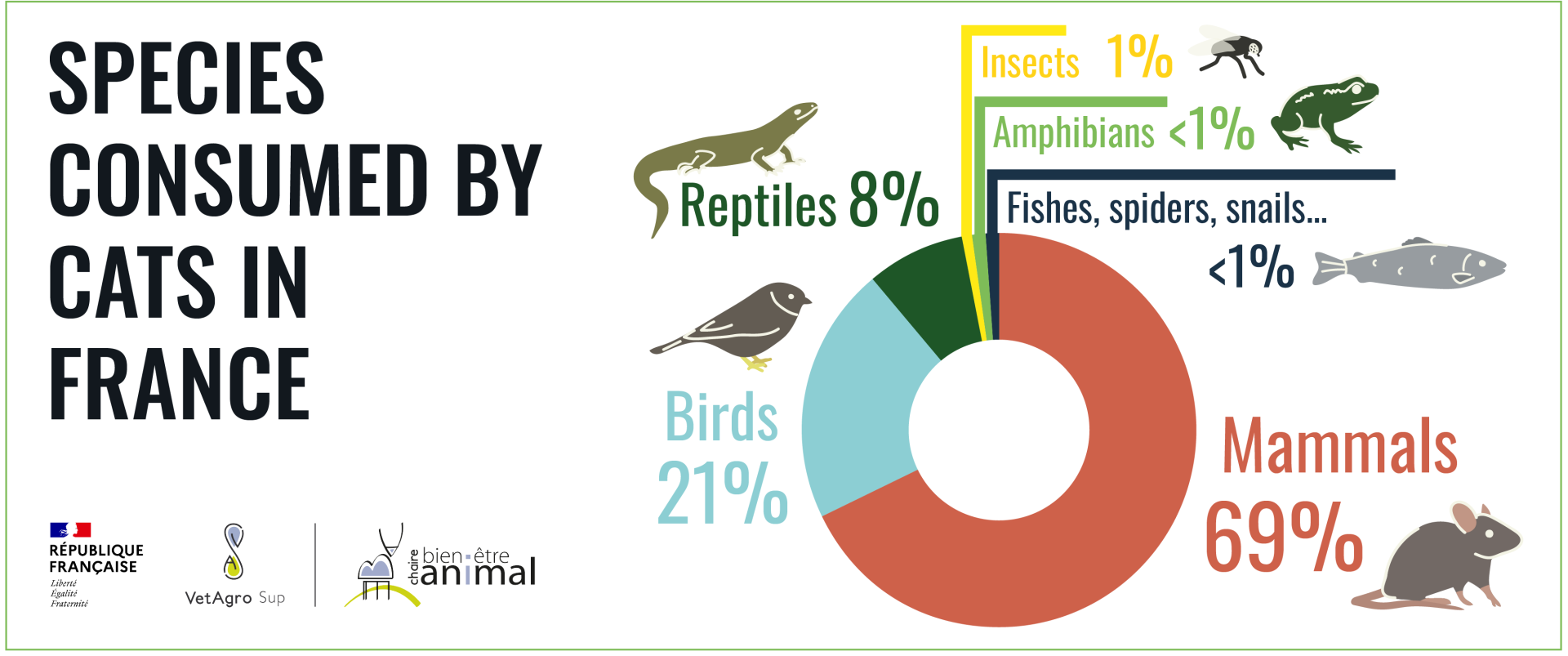
Pet cats in France thus primarily hunt common (see table) and generalist species, and generally remain close to human dwellings[19].
Factors Influencing Hunting Behavior [20]
INTERNAL

Some cats are naturally more exploratory and curious; these individuals are therefore more likely to have a “hunter’s” temperament than others.

Young cats under 5 years of age are more inclined to hunt than older cats. Young cats more often bring home lizards, whose movements may stimulate their play behavior. Hunting birds, which requires good physical condition, is also more common among young cats.

While predatory behavior is partly innate, hunting skills develop primarily between four and twelve weeks of age. What cats learn during this period largely determines their hunting abilities as adults.
EXTERNAL

The abundance of prey in a cat’s foraging area significantly influences the number of animals captured. For example, wooded meadows are areas rich in biodiversity where stray and pet cats hunt.

Birds are hunted more frequently in the spring, with a peak between April and June that coincides with nesting periods and the first time chicks leave the nest. Rodents are hunted in the fall, when their populations are at their largest. Reptiles are mainly captured in the summer, when they are most active.

The more a cat goes outside, the more it hunts, and the more it refines its technique over time, thereby increasing its success rate with each attempt.

In good weather, even indoor cats that are fed ad libitum will hunt. In cold or rainy weather, they generally prefer to stay indoors and make do with the food provided by their owners.
Different Strategies Depending on Cat Populations
To limit their impact on biodiversity, various strategies to prevent and reduce predation can be implemented. Aside from completely confining cats—which is unrealistic—none of these strategies is 100% effective, and it is often necessary to implement a combination of measures tailored to the specific situation and environment.
Strategies vary depending on the cat population—whether they are stray cats, feral cats, free-roaming cats, or pet cats.
Measures to Reduce the Impact of Stray and Feral Cats on Biodiversity
One of the most effective measures to limit the impact of stray and feral cats on biodiversity is preventing reproduction in order to control cat populations within a given geographic area. This involves trapping and spaying or neutering stray cats, which are then either released back into their original environment and cared for by the local municipality where they live or, by delegation, by an organization (they then become “free-roaming cats”), or are made available for adoption (they then become pet cats).
In certain specific contexts, particularly on islands with large populations of stray and feral cats, eradication campaigns are sometimes carried out to protect biodiversity and native ecosystems. Various methods are employed, often in combination: trapping and euthanasia, hunting campaigns, poisoning, or the introduction of diseases (such as feline panleukopenia).
These campaigns generally meet with strong public opposition, raise questions regarding animal welfare and ethics, are very costly, and take many years to bear fruit (for example, about 15 years of successive campaigns on Marion Island in South Africa). Their effectiveness remains a matter of debate depending on the island’s size and whether or not humans are present, although they have been deemed effective on small, uninhabited islands[21]. In non-island contexts, eradication campaigns are even more controversial because it is impossible to prevent other felines from returning to a given territory. Sterilization therefore remains the recommended strategy.
How can we limit the impact of pet cats on biodiversity?
When it comes to pet cats, various strategies can be implemented, depending on living situations and owners’ habits, while taking into account the cat’s personality and welfare.
Early spaying or neutering
Early spaying or neutering of cats (between 4 and 6 months of age) helps limit unwanted litters and prevents your cat from breeding with stray cats or unspayed/unneutered pet cats, thereby preventing their offspring from increasing the overall population of unspayed/unneutered cats in a given geographic area.
In France, while spaying and neutering of cats (both male and female) is widely practiced (80% of cats) [22], it generally occurs late (often after 2 years of age) [23]and after the cat has had its first litter, which contributes to problems of overpopulation and abandonment. From an animal welfare perspective, spaying and neutering also offers benefits for the cat: it prevents certain reproductive diseases, reduces aggressive behavior toward other cats, and decreases heat-related behavior[24].

Preventing abandonment
It seems important to raise public awareness from an early age about the impacts of abandoning cats on their welfare as well as on biodiversity. Indeed, when a cat becomes a stray or feral cat again—since its food is no longer necessarily provided regularly by humans—its predatory behavior can be significantly exacerbated. Furthermore, if it is not spayed or neutered, it will contribute to cat overpopulation in a given area through reproduction.
Did you know?
Law No. 2021-1539 of November 30, 2021, aimed at combating animal abuse and strengthening the bond between animals and humans, established mandatory certificates of commitment and knowledge for pet owners and increased penalties for abandonment. Nevertheless, the number of abandoned cats in France in 2021 was estimated at nearly 150,000[25].
Limiting the Number of Cats Per Household Allowed Outdoor Access
In France, there are no regulations governing the maximum number of cats per household. In Switzerland, a public debate has been ongoing for more than a decade regarding the implementation of a “one-cat policy”[26]. This policy is based on the argument that limiting the number of cats per household—particularly those with outdoor access—would help reduce pressure on biodiversity in a given area. However, there is far from a consensus on this measure: some oppose any restrictions on the number of cats per household, while others point out that in urban and suburban areas, household density is already too high for such a measure to be effective, even if only one cat per household were allowed.
Implementing Measures to Reduce Predation.
Several measures can be implemented to limit predation by a pet cat:
Provide easily accessible, high-quality food in sufficient quantities to meet the cat’s daily nutritional needs

This can help reduce predatory behavior in cats. In fact, cats with outdoor access eat between 7 and 20 times a day, consuming small amounts of food at a time. Concentrating their meals into a single feeding time during the day could encourage them to hunt more frequently[27]. Moreover, a diet containing high-quality protein that meets their daily nutritional needs is likely to limit predatory behavior[28].
Such dietary measure is considered to have limited effectiveness because the presence of food does not prevent a cat from hunting and killing prey presented to it, but it may limit hunting behavior. However, it is easy to implement and does not compromise the cat’s welfare—quite the opposite!
Did you know?
A well-fed cat is perfectly capable of hunting, playing with its prey, and killing it without eating it. Hunger influences foraging and the consumption of prey, but not the hunting instinct or the act of killing. A cat not fed by humans can spend up to 12 hours a day hunting, compared to less than an hour for a fed cat, but in both cases, the instinct remains![29]
Using anti-hunting devices to reduce hunting performance

The most common devices are bell collars and patterned collars, which must be equipped with an anti-strangulation system to protect the cat. Wearing a bell collar may not be very effective at preventing the capture of birds, which primarily rely on sight (rather than hearing) to detect predators[30]. The same applies to rats, lizards, and insects, and its effectiveness is even considered variable for small rodents.
Furthermore, there is no consensus among experts regarding the use of bells: when worn continuously, bells raise concerns about the cat’s welfare, given its highly developed hearing. On the other hand, patterned collars appear to be more effective: studies have notably observed a reduction in hunting behavior among cats that wear them, as these cats are less successful at catching prey[31]. Nevertheless, these collars are frequently lost, which is a deterrent for owners.
Establishing “refuge zones” for biodiversity and/or “restricted zones” for cats

Certain areas, such as parks, gardens, or bird-feeding sites, are particularly rich in biodiversity and may harbor large numbers of prey sought by cats. Cats’ access to these areas can be restricted using appropriate physical fences or repellents (ultrasonic, scent-based, motion-activated water sprays, etc.). However, these repellents appear to have only a moderate deterrent effect and require a learning process for the cat to actually avoid the area in question[32].
French LPO (Bird Protection League) recommends placing bird feeders and nesting boxes at a height of more than 1.8–2 meters or on trees protected by appropriate bird-proof netting, as well as in an open area that allows birds to have a clear view of their surroundings[33].
Reduce the time spent outdoors (during certain times of the year or day)

Cats hunt more at certain hours of the day, particularly at dusk and dawn[34]. Preventing your cat from going outside during these times would help reduce its negative impact on biodiversity. Similarly, keeping cats indoors at night helps reduce predation on bats, particularly from mid-June through the end of August, when female bats are pregnant. However, an Australian study showed that keeping cats indoors at night reduced the number of opossums hunted by them but simultaneously led to an increase in the proportion of cat attacks on birds during the day (+30 to 53%)[35].
LPO recommends confining cats during so-called “sensitive” times of the year, such as during prolonged periods of rain or cold weather when birds come to feed near homes, in the spring during the nesting season and when young chicks leave the nest, or when you go on vacation[36].
Keeping the cat completely indoors

While this measure effectively reduces the negative impact of cats on biodiversity and offers other health benefits, it also has drawbacks. Among the most commonly cited benefits are a reduced risk of accidents (traffic accidents, aggressive encounters with other animals), a lower risk of the cat getting lost, of poisoning, infections, and zoonotic diseases, and ultimately, a longer life expectancy.
As for the drawbacks of total confinement, these include: an increased risk of obesity, a predisposition to cystitis and urethral obstruction, and behavioral problems resulting from frustration (vocalizations, litter box accidents, stereotypical behaviors such as excessive licking and compulsive scratching) that can lead to abandonment[37].
The risk–benefit ratio on cats’ welfare is not clear and requires further research before choosing between improved health for indoor cats and better expression of species-specific behaviors (hunting, exploring the environment) for cats with access to the outdoors.
Other measures to reduce predation are regularly cited in the literature but require further study, such as enriching the indoor environment and stimulating the cat through play with humans to replicate the various phases of predation[38]. The impact of breed or the cat’s early years (whether or not the learning phase was provided by its mother) are also avenues to explore to determine whether they can influence cats’ predatory behavior.
Owners’ Perceptions: A Cornerstone
It is widely recognized by the public that cats’ hunting behavior negatively impacts biodiversity. In a 2020 study conducted in France, 58% of respondents considered cats’ hunting behavior to be a problem for biodiversity[39].
However, cat owners rarely consider their own cat to be responsible for a negative impact on biodiversity. According to the same study, 36% of the owners surveyed (whose cats went outdoors) considered the number of prey items brought home by their cat to be “negligible,” and 26% considered it “significant but acceptable.” Only 20% of them considered that their cat brought home an “excessive” number of prey. Even when this hunting behavior was recognized as problematic, owners did not always feel responsible for their cat’s actions: 45% felt they bore some responsibility for their cat’s predatory behavior, compared to 42% who rejected any responsibility for this behavior (13% did not express an opinion).
In another study conducted in Great Britain in 2018, a majority of surveyed owners considered hunting to be, above all, a natural behavior of their pet and that it was difficult to control due to the cat’s “independent” nature [40]. Furthermore, owners often considered their cat’s safety and welfare to be a priority. When they confined their cats at night, it was more to protect their pets from traffic accidents than to limit their predatory behavior. Owners also frequently expressed reluctance to equip their cats with anti-capture collars due to perceived risks to their cats (strangulation) and the frequent loss of such devices.
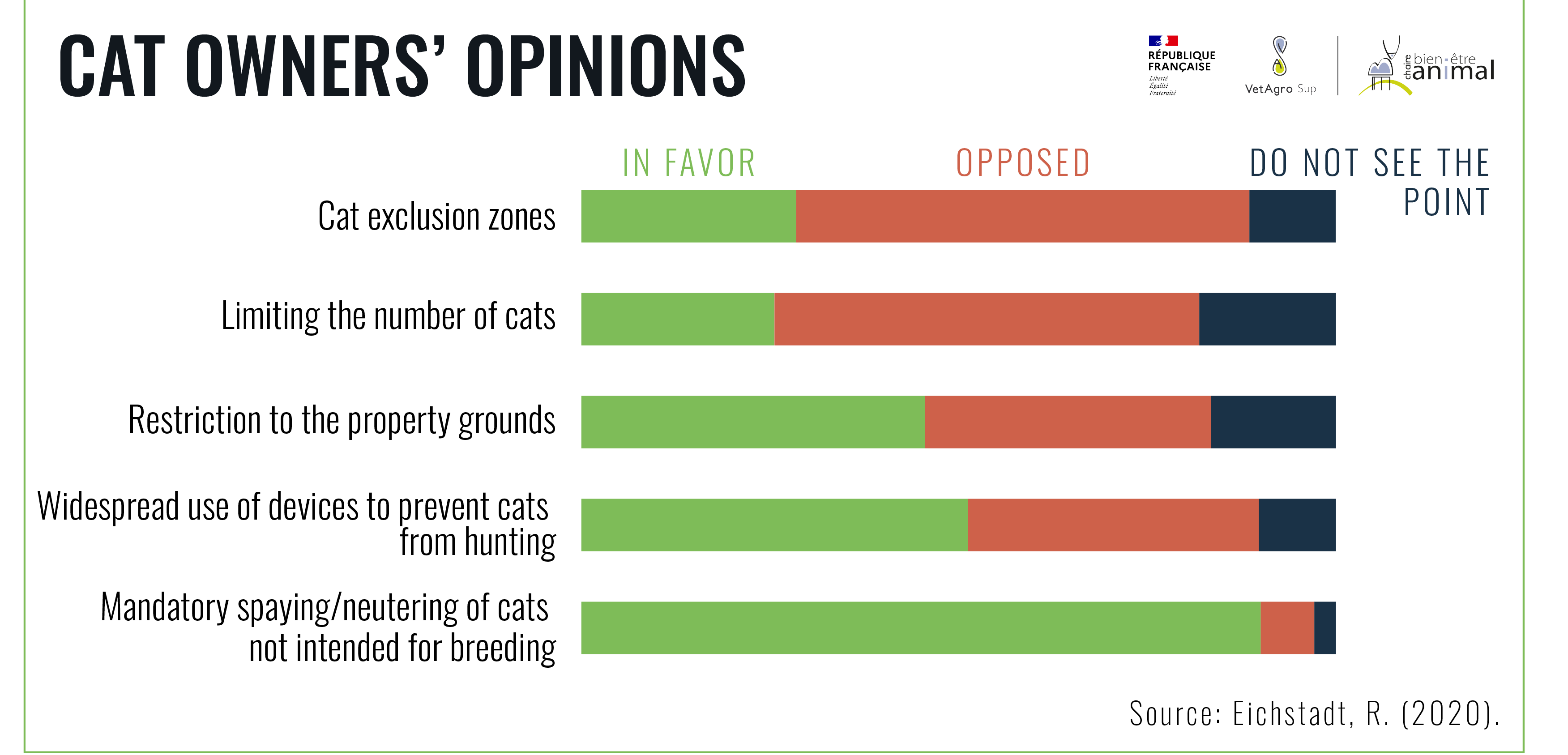
The level of acceptance among owners of various measures to limit the impact of cats on biodiversity varies [41]: the most widely accepted measures in France are the spaying or neutering of cats not intended for breeding (90% acceptance), anti-capture devices (51%), and encouraging owners to keep cats within the confines of their property (yard, balcony, patio) (46%).
Limiting the number of cats per household that have access to the outdoors is not widely accepted (26%), nor is the establishment of geographic zones where cats must be kept indoors (29%).
A larger number of owners (45%) frown upon the proposal to confine cats—whether permanently or limited to certain times of the day.
Thus, the least restrictive and easiest-to-implement measures are the ones that receive the highest level of acceptance from French cat owners.
Did you know?
Culture and context influence how cat owners behave toward their cats: for example, in the United States, 55 to 60 percent of cats live exclusively indoors. This proportion is much lower in Europe (24 percent in the United Kingdom)[42]. This difference likely stems from varying outdoor risks: in the United States, coyotes and pumas—which are carnivorous predators—are relatively common near urban areas. The perceived risk of predation among American cat owners is therefore certainly higher than in Europe.

Conclusion
A major decline in biodiversity has been documented worldwide, and its primary causes are linked to human activities. To a lesser extent, cats with access to the outdoors can contribute to this decline in four main ways: by transmitting diseases to other wild species; by competing with local predators for the same prey; by interbreeding with wild felines and thereby threatening their genetic integrity; and finally, through direct predation on local wildlife, which varies among cats, as some are more predatory than others. These impacts are observed worldwide, but the pressure exerted by cats is greatest on islands, due to the vulnerability of island species. It should be noted, however, that in certain contexts, cats can also play a positive role by regulating populations of introduced rodents.
Various strategies can be implemented to limit their impact on biodiversity. For stray and feral cats, these include spay-and-neuter campaigns. For pet cats, early spaying and neutering is also essential, as is preventing abandonment, to avoid feline overpopulation. Measures aimed at reducing predation by cats are also worth considering, while taking into account the welfare of each animal; however, they do not limit the spread of diseases to other species. Owners’ perceptions of their cats’ impact on biodiversity are also a key factor, one that varies according to context and culture.
It appears necessary to strike a good balance between cat welfare, health, and safety, and the protection of biodiversity. In this regard, one of the conclusions from the 2012 conference “The Outdoor Cat: Science and Policy from a Global Perspective” in Los Angeles seems particularly relevant:
“It is essential to develop an ethically and scientifically grounded consensus on how to reduce conflicts regarding outdoor cats, explicitly taking into account the diversity of contexts in which their management must be carried out. This should involve collaboration between animal welfare experts and conservation specialists. Given the widespread distress and suffering of cats and the decline of many wildlife species, all parties have a duty to ensure they work together to address these issues.”
In summary
Thanks to Hélène Soubelet, DVM and Executive Director of the Fondation pour la recherche sur la biodiversité, for proofreading this article!
[1] FACCO – Les chiffres clés de la population animale en France
[2] One Voice – Chats errants en France : état des lieux, problématiques et solutions
[3] Article L211-27 du Code rural et de la Pêche maritime
[4] One Voice – Chats errants en France : état des lieux, problématiques et solutions
[5] IPBES (2019), Global Assessment Report on Biodiversity and Ecosystem Services
[6] Lepczyk, C. A., Lohr, C. A., & Duffy, D. C. (2015). A review of cat behavior in relation to disease risk and management options. Applied Animal Behaviour Science, 173, 29-39.
[7] Clark, N. J., Seddon, J. M., Šlapeta, J., & Wells, K. (2018). Parasite spread at the domestic animal-wildlife interface: anthropogenic habitat use, phylogeny and body mass drive risk of cat and dog flea (Ctenocephalides spp.) infestation in wild mammals. Parasites & vectors, 11(1), 8.
[8] Hollings, T., Jones, M., Mooney, N., & McCallum, H. (2013). Wildlife disease ecology in changing landscapes: Mesopredator release and toxoplasmosis. International Journal for Parasitology: Parasites and Wildlife, 2, 110-118.
[9] Nussberger, B., Barbosa, S., Beaumont, M., Currat, M., Devillard, S., Heurich, M., … & EUROWILDCAT Consortium. (2023). A common statement on anthropogenic hybridization of the European wildcat (Felis silvestris). Frontiers in Ecology and Evolution, 11, 1156387.
[10] Philip J Baker and others, ‘Factors Affecting the Distribution of Small Mammals in an Urban Area’ (2003) 33 Mammal Review 95.
[11] Loss, S. R., Will, T., & Marra, P. P. (2013). The impact of free-ranging domestic cats on wildlife of the United States. Nature communications, 4(1), 1396.
[12] Lepczyk, C. A., Fantle-Lepczyk, J. E., Dunham, K. D., Bonnaud, E., Lindner, J., Doherty, T. S., & Woinarski, J. C. (2023). A global synthesis and assessment of free-ranging domestic cat diet. Nature Communications, 14(1), 7809.
[13] Bonnaud, E., Medina, F. M., Vidal, E., Nogales, M., Tershy, B., Zavaleta, E., … & Horwath, S. V. (2011). The diet of feral cats on islands: a review and a call for more studies. Biological invasions, 13(3), 581-603.
[14] Courchamp, F., Langlais, M., & Sugihara, G. (1999). Cats protecting birds: modelling the mesopredator release effect. Journal of Animal Ecology, 68(2), 282-292.
[15] Doherty, T. S., Glen, A. S., Nimmo, D. G., Ritchie, E. G., & Dickman, C. R. (2016). Invasive predators and global biodiversity loss. Proceedings of the National Academy of Sciences, 113(40), 11261-11265.
[16] Eichstadt, R. (2020). Impact de la prédation du chat domestique (Felis catus) sur la faune sauvage : enquête auprès de propriétaires français sur la perception de cette problématique et des mesures de contrôle proposées. Médecine vétérinaire et santé animale.
[17] Castañeda, I., Forin-Wiart, M.-A., Pisanu, B., & de Bouillane de Lacoste, N. (2023). Spatiotemporal and Individual Patterns of Domestic Cat (Felis catus) Hunting Behaviour in France. Animals, 13(22), 3507. https://doi.org/10.3390/ani13223507
[18] Castañeda, I., Forin-Wiart, M.-A., Pisanu, B., & de Bouillane de Lacoste, N. (2023). Spatiotemporal and Individual Patterns of Domestic Cat (Felis catus) Hunting Behaviour in France. Animals, 13(22), 3507. https://doi.org/10.3390/ani13223507
[19] Baker, P. J., Molony, S. E., Stone, E., Cuthill, I. C., & Harris, S. (2008). Cats about town: is predation by free‐ranging pet cats Felis catus likely to affect urban bird populations? Ibis, 150, 86-99.
[20] Eichstadt, R. (2020). Impact de la prédation du chat domestique (Felis catus) sur la faune sauvage : enquête auprès de propriétaires français sur la perception de cette problématique et des mesures de contrôle proposées. Médecine vétérinaire et santé animale.
[21] NOGALES, M., MARTÍN, A., TERSHY, B.R., DONLAN, C.J., VEITCH, D., PUERTA, N., WOOD, B. and ALONSO, J. (2004), A Review of Feral Cat Eradication on Islands. Conservation Biology, 18: 310-319. https://doi.org/10.1111/j.1523-1739.2004.00442.x
[22] Baromètre FACCO-Odoxa 2024 : https://www.facco.fr/barometre-facco-odoxa-2024-2025-chiffres-2-5/
[23] Eichstadt, R. (2020). Impact de la prédation du chat domestique (Felis catus) sur la faune sauvage : enquête auprès de propriétaires français sur la perception de cette problématique et des mesures de contrôle proposées. Médecine vétérinaire et santé animale.
[24] Voir notre article « Stérilisation et bien-être du chat » : https://chaire-bea.vetagro-sup.fr/sterilisation-et-bien-etre-du-chat/
[25] Avis du CNR BEA relatif aux premières actions à mener dans le cadre de l’Observatoire de la protection des carnivores domestiques (OCAD), 2022, doi : 10.17180/p5dn-3y69
[26] Le Monde, « En Suisse, la politique du chat unique », 2014 : https://www.lemonde.fr/m-actu/article/2014/09/28/la-suisse-envisage-la-politique-du-chat-unique_4494089_4497186.html
[27] Cecchetti, M., Crowley, S.L. and McDonald, R.A. (2021), Drivers and facilitators of hunting behaviour in domestic cats and options for management. Mam Rev, 51: 307-322. https://doi.org/10.1111/mam.12230
[28] LSD , « Le chat, un tueur né », 2025 : https://www.radiofrance.fr/franceculture/podcasts/lsd-la-serie-documentaire/le-chat-un-tueur-ne-2780682
[29] BRADSHAW J., CASEY R., BROWN S. (2012d) The Cat : Domestication and Biology. In The Behaviour of the Domestic Cat, 2e ed. Bristol, CABI.
[30] Eichstadt, R. (2020). Impact de la prédation du chat domestique (Felis catus) sur la faune sauvage : enquête auprès de propriétaires français sur la perception de cette problématique et des mesures de contrôle proposées. Médecine vétérinaire et santé animale.
[31] Eichstadt, R. (2020). Impact de la prédation du chat domestique (Felis catus) sur la faune sauvage : enquête auprès de propriétaires français sur la perception de cette problématique et des mesures de contrôle proposées. Médecine vétérinaire et santé animale.
[32] Eichstadt, R. (2020). Impact de la prédation du chat domestique (Felis catus) sur la faune sauvage : enquête auprès de propriétaires français sur la perception de cette problématique et des mesures de contrôle proposées. Médecine vétérinaire et santé animale.
[33] LPO, Fiche médiation faune sauvage : chats domestiques, 2024 : https://www.lpo.fr/media/read/9833/file/FM_CHATS%20DOMESTIQUES_aout2024_WEB.pdf
[34] Crowley SL, Cecchetti M, McDonald RA. Hunting behaviour in domestic cats: An exploratory study of risk and responsibility among cat owners. People Nat. 2019;1:18–30. https://doi.org/10.1002/pan3.6
[35] McCarthy, S. (2005), Managing impacts of domestic cats in peri-urban reserves. In: Proceedings of the 14th National Conference on Urban Animal Management in Australia, Canberra, ACT, Australia. Australian Veterinary Association, Melbourne. http://aiam.org.au/resources/Documents/2005%20UAM/PUB_Pro05_SallyMcCarthy_Impacts.pdf
[36] LPO, Fiche médiation faune sauvage : chats domestiques, 2024 : https://www.lpo.fr/media/read/9833/file/FM_CHATS%20DOMESTIQUES_aout2024_WEB.pdf
[37] Eichstadt, R. (2020). Impact de la prédation du chat domestique (Felis catus) sur la faune sauvage : enquête auprès de propriétaires français sur la perception de cette problématique et des mesures de contrôle proposées. Médecine vétérinaire et santé animale.
[38] Cecchetti, M., Crowley, S.L. and McDonald, R.A. (2021), Drivers and facilitators of hunting behaviour in domestic cats and options for management. Mam Rev, 51: 307-322. https://doi.org/10.1111/mam.12230
[39] Eichstadt, R. (2020). Impact de la prédation du chat domestique (Felis catus) sur la faune sauvage : enquête auprès de propriétaires français sur la perception de cette problématique et des mesures de contrôle proposées. Médecine vétérinaire et santé animale.
[40] Crowley SL, Cecchetti M, McDonald RA. Hunting behaviour in domestic cats: An exploratory study of risk and responsibility among cat owners. People Nat. 2019; 1: 18–30. https://doi.org/10.1002/pan3.6
[41] Eichstadt, R. (2020). Impact de la prédation du chat domestique (Felis catus) sur la faune sauvage : enquête auprès de propriétaires français sur la perception de cette problématique et des mesures de contrôle proposées. Médecine vétérinaire et santé animale.
[42] Eichstadt, R. (2020). Impact de la prédation du chat domestique (Felis catus) sur la faune sauvage : enquête auprès de propriétaires français sur la perception de cette problématique et des mesures de contrôle proposées. Médecine vétérinaire et santé animale.
Keep in mind
- Among domestic cats, we distinguish between pet cats, “free-roaming” cats, stray cats, and feral cats.
- Domestic cats have several negative impacts on biodiversity through predation, disease transmission, competition with other local predators, and hybridization with other felines.
-
There are various strategies to limit the impact of cats on biodiversity. Spaying and neutering offers benefits for both feral and pet cat populations.
Key Figure
Estimated number of birds killed by cats each year in the United States.


